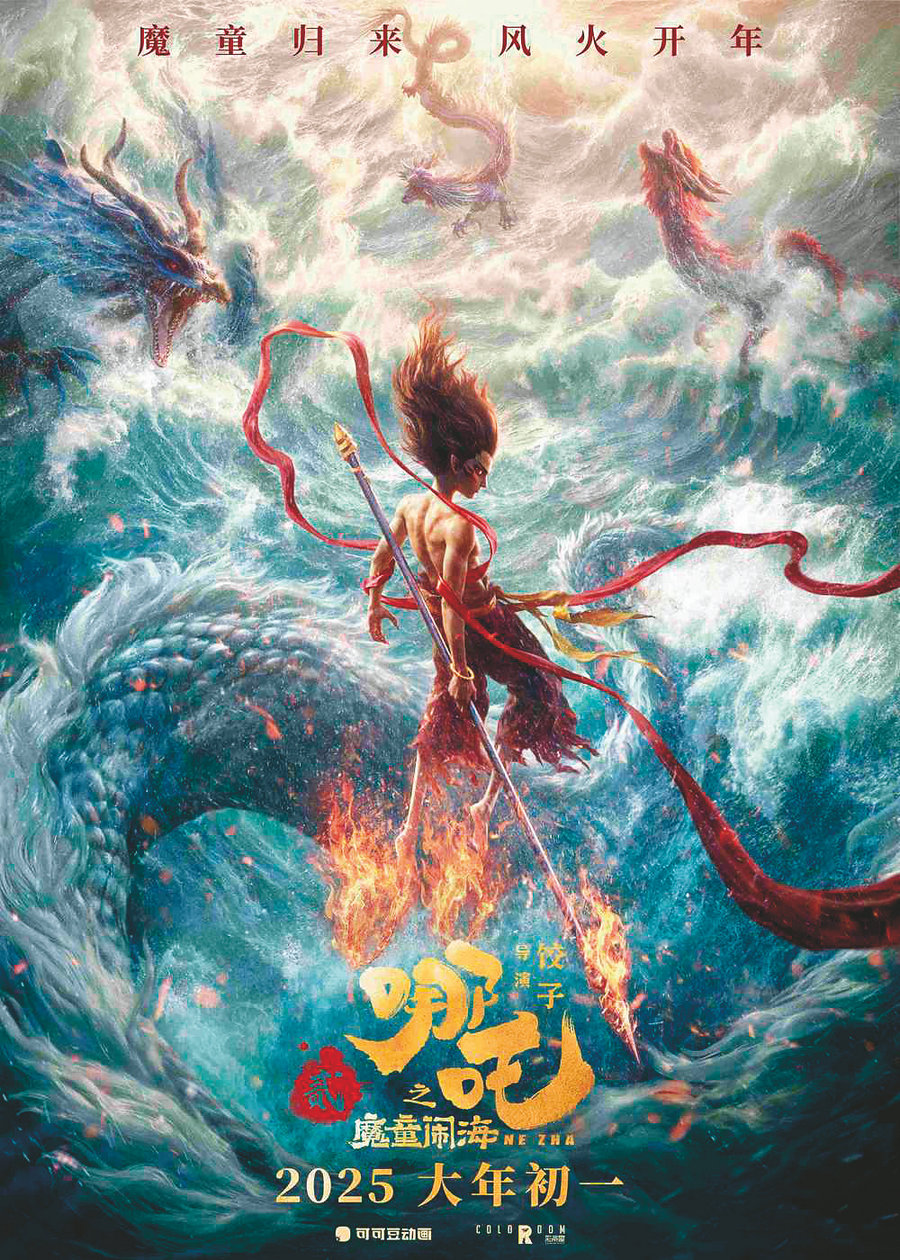
Ne Zha 2
Introduction
"Ne Zha 2" is a Chinese animated film that has taken the global box office by storm, securing its place as the highest-grossing animated film globally. Released on January 29, 2025, the film has captivated audiences worldwide with its stunning visuals, thrilling plot, and humorous dialogue. As a sequel to the 2019 top-grossing movie in China, "Ne Zha," the film continues the story of its titular character, a renowned figure in Chinese mythology, and explores themes of identity, rebellion, and destiny. Directed by Yang Yu, known as Jiaozi, "Ne Zha 2" has not only achieved commercial success but has also marked a significant milestone in the Chinese animation industry by becoming the first non-Hollywood production to join the billion-dollar club.
Background
Original Story and Mythology
The mythological origins of Ne Zha trace back to Chinese folklore and Buddhist traditions. Ne Zha is traditionally depicted as the third son of one of the four Heavenly Kings in Buddism. In Buddhist literature from the Tang Dynasty (618-907), Ne Zha is portrayed as a celestial being entrusted with the duty of warding off evil spirits. Over the centuries, his character evolved through various adaptations, becoming prominent in the Ming Dynasty (1368-1644) novel "Fengshen Yanyi" (The Investiture of the Gods). In this work, Ne Zha is portrayed as a rebellious youth who challenges feudal patriarchy, marking his transition from a mischievous celestial being to a heroic figure.
Previous Adaptations and Influences
Ne Zha's story has been a recurring theme in Chinese animation, most notably in the 1979 classic animated film "Nezha Conquers the Dragon King," where he is depicted as a heroic figure fighting against oppressive rule. The 2019 film "Ne Zha" further subverted the traditional image of the character by introducing a design that emphasized dark circles and a gap-toothed smile, depicting him as an unlikely hero challenging his predetermined fate. This modern reinterpretation resonated strongly with audiences, combining humor and unexpected plot twists to create a narrative that was both familiar and refreshing. The success of "Ne Zha" paved the way for its sequel, "Ne Zha 2," which expanded upon these themes, offering a more in-depth exploration of the character's journey and struggle between good and evil.
Development
Production Companies and Key Personnel
"Ne Zha 2" is a collaborative effort involving more than 130 companies, highlighting the industrial cluster effect and pragmatic division of labor in China's burgeoning animation sector. The film was directed by Yang Yu, also known as Jiaozi, whose bold and innovative approach to storytelling has been instrumental in redefining the character of Ne Zha for modern audiences. The production team behind "Ne Zha 2" includes a diverse group of animators, visual effects artists, and technical experts, all contributing to the film's stunning visual and narrative experience. The collective effort of these companies and individuals reflects the broader support of the Chinese animation industry, which has seen significant advancements in both artistic and technological fields.
Script and Storyline
"Ne Zha 2" continues from where its prequel left off, delving deeper into Ne Zha's internal conflict regarding his identity and destiny. The film explores his decision on whether to embrace his fate as a fairy or a demon, challenging traditional narratives with a more fleshed-out storyline and refined themes. Through superb special effects and a compelling narrative, the film subverts the traditional story of Ne Zha, capturing the rebellious spirit and free will of today's youth who resist accepting their predetermined paths. Dialogues such as "If there is no road ahead, I will carve one myself" resonate with audiences, serving as metaphors for personal empowerment and determination.
Animation and Visual Effects
Techniques and Technology Used
"Ne Zha 2" employs cutting-edge animation techniques and technology to create a visually stunning cinematic experience that rivals Hollywood blockbusters. The film's production involved advancements in computer-generated imagery (CGI), motion capture, and 3D modeling, allowing for intricate details and dynamic action sequences. The animation team utilized these technologies to bring to life the vibrant and fantastical world of Ne Zha, seamlessly integrating traditional Chinese aesthetic elements with modern animation practices.
Character Design and Art Style
The character design in "Ne Zha 2" is a blend of traditional and contemporary influences, capturing the essence of Chinese folklore while appealing to modern sensibilities. Ne Zha's iconic look, featuring distinctive facial features such as dark circles and a gap-toothed smile, is complemented by an array of supporting characters, each with their unique designs and personalities. The film's art style combines bold colors, dynamic compositions, and intricate backgrounds, creating a rich visual tapestry that enhances the storytelling and thematic depth of the narrative.
Music and Soundtrack
Composer and Sound Design
The music and sound design of "Ne Zha 2" play a crucial role in building the film's atmosphere and emotional impact. The soundtrack is composed by a talented team of musicians and sound designers who drew inspiration from both traditional Chinese music and modern cinematic scores. This fusion of styles creates a dynamic auditory experience that complements the film's visual elements and enhances the audience's immersion in the story.
Notable Tracks
The soundtrack of "Ne Zha 2" features several notable tracks that underscore key moments in the film. Powerful orchestral pieces accompany the action sequences, heightening the sense of drama and tension. Meanwhile, more introspective and melodic compositions highlight character development and emotional themes. The combination of these musical elements contributes to the film's overall narrative arc, reinforcing its exploration of identity, destiny, and the struggle between good and evil.








